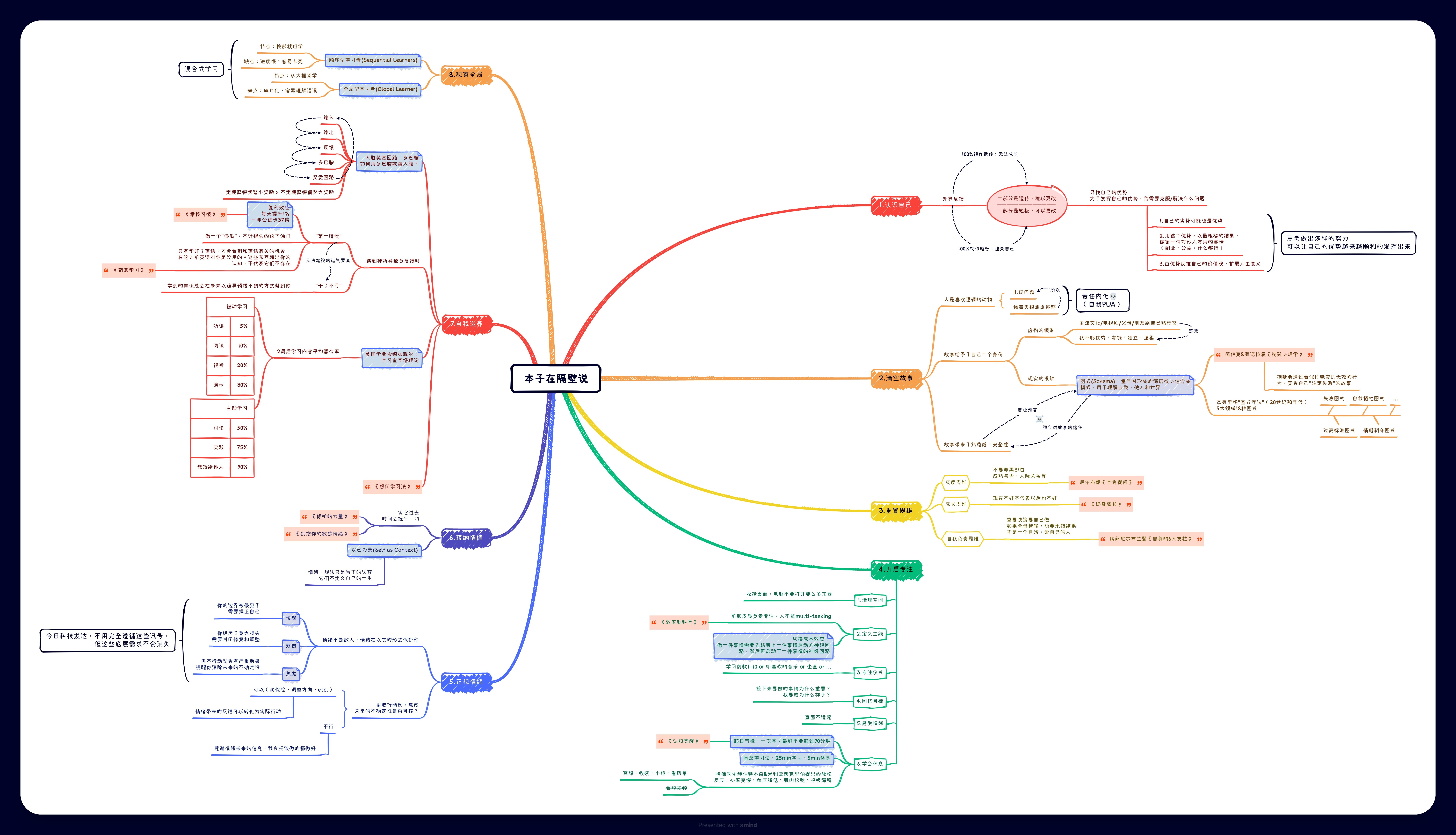
情绪词汇
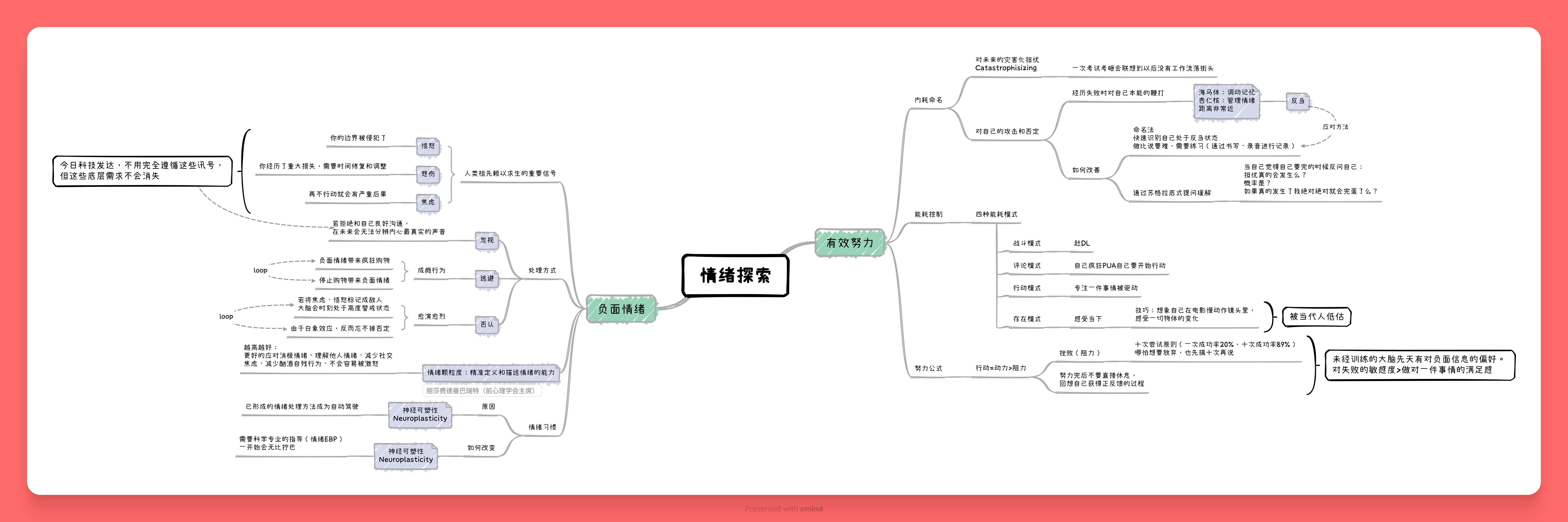
情绪可分为4个象限,2个维度:积极还是消极、高唤醒还是低唤醒。这篇文章总结了一共58种情绪。有些我体验过,记录了发生情绪的triggers是什么;有些我没有体验过或无相关体验了,记录了发生时会有什么特征。同时,这篇文章也说明了这些情绪发生时给我们带来的信号。
加载过慢请开启缓存 浏览器默认开启
情绪可分为4个象限,2个维度:积极还是消极、高唤醒还是低唤醒。这篇文章总结了一共58种情绪。有些我体验过,记录了发生情绪的triggers是什么;有些我没有体验过或无相关体验了,记录了发生时会有什么特征。同时,这篇文章也说明了这些情绪发生时给我们带来的信号。
Hello, there. I’m writing this post for summarizing Latex syntax that are often used. I don’t like to write reports in Latex as the syntax are so complicated and it’s easy to forget them once you don’t use Latex for a while. Anyway, let’s start to do our summarizing.
I’m writing this post to summarize all the mistakes I’ve been making for several times. You know what? They just don’t come into my mind!
Remember, It is important to associate new knowledge with those you’ve already learnt.
This is a markdown guide that helps you write articles organized and easy to read.
Please be aware of that when you’re using Hexo, several syntax may be different from the original Markdown’s syntax. I summarized both of Hexo’s syntax and the original Markdown’s syntax in the mind map, and I have stricken through the original one which I recommend you avoid using.
Also, Markdown cannot deal with some needs such as aligning text to the right, even though these needs are quite common. So I’ll use HTML where Markdown doesn’t satisfy my needs.
The following content is a practice for these syntax.